What is hazardous wastewater?
Hazardous wastewater is a large amount of waste liquid originally generated during the operation or production process. Especially when concentrated together, and its treatment will incur high processing costs. Therefore, hazardous waste Reduction has practical significance. There are three ways to generate hazardous wastewater: 1. In the production process, if a large amount of waste liquid is generated during the production process; 2. The wastewater treatment process produces a large amount of highly concentrated wastewater; 3. A large amount of solid sludge.
Hazardous wastewater reduction saves operating costs and reduces safety risks, which is very objective and necessary.
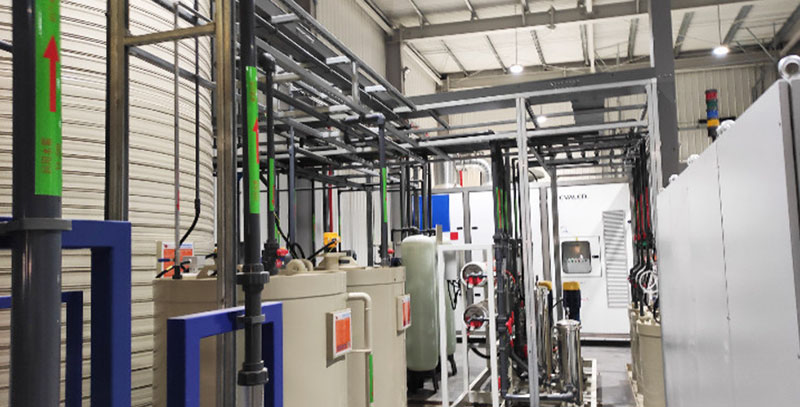
Application: chemical industry, pharmaceutical, electroplating, food
In the textile industry, the wastewater produced by the alkali reduction process of fabrics has the following characteristics:
High COD 20000-30000mg/L
Low B/C ratio <0.1 (difficult to biodegrade)
High alkali concentration 1-50g/L (different processes, different concentrations)
Conductivity 150-170mS/cm
High antimony concentration 700-1000μg/L (emission standard is 100μg/L)
A textile factory treats 200m³ of alkali-reduced wastewater per day as an example to achieve the following treatment effects:
Clear liquid alkali reuse: The clear liquid of the membrane treatment system is reused in the work section, and the alkali concentration is 10g/L;
The concentration of concentrated liquid pollutants was reduced from 27000mg/L to 7000mg/L, and the COD degradation rate was 74.1%;
Antimony removal from concentrated liquid reduced from 761 μg/L to 34.2 μg/L (emission standard is 100 μg/L)
The cost of hazardous waste reduction is 30-40% lower than conventional reduction.