Introduction to the principle of biological desulfurization:
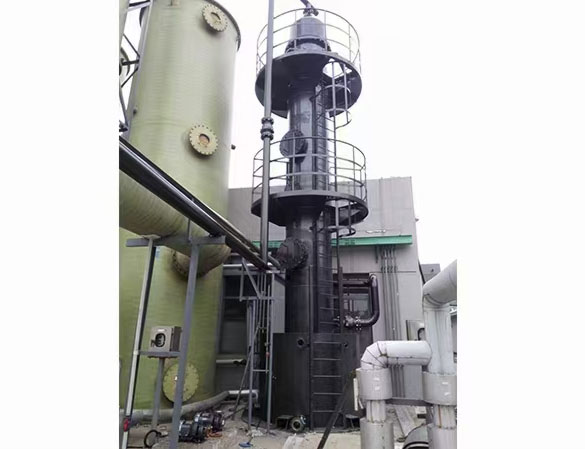
Biogas gas containing hydrogen sulfide first enters the biological scrubber tower, which reacts with alkali in the mixture to remove hydrogen sulfide from the biogas. Then, the biological scrubber liquid enters the bioreactor. The sulfide in the reactor is converted into simple sulfur, while the alkali is regenerated and reused. With the discovery of salinophilic desulfurization bacteria, the separated desulfurization process has been greatly developed. The problem of easy clogging of sulfur packing, which is prone to occur in one-piece biological desulfurization, has been solved. In the process of biogas purification CNG and the high concentration of hydrogen sulfide biogas treatment, the separated desulfurization process occupies the absolute advantage.
Principle of chemical desulfurization:
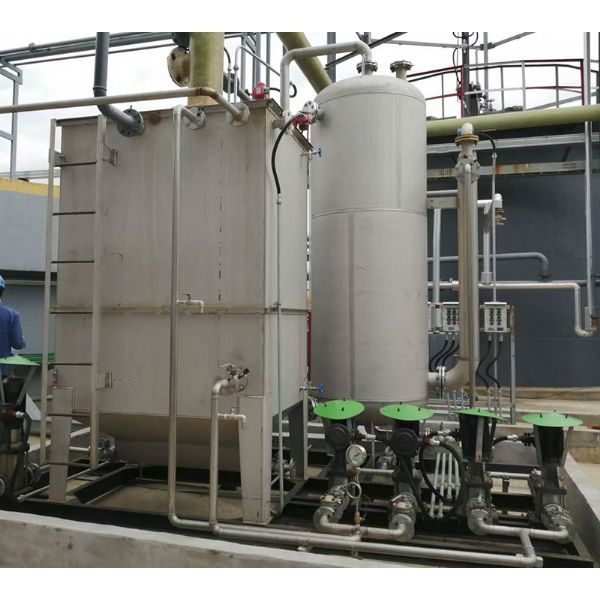
After the biogas passes through the water-sealed tank, it enters the absorption tower, which can adopt bubbling and spraying. The biogas comes into contact with the circulating alkali solution. The chemical reaction between hydrogen sulfide and alkali occurs, which converts the hydrogen sulfide gas into salts to the desulfurization liquid. The sulfide and desulfurization liquid is discharged from the bottom of the tower. Sulfide is discharged with the desulfurization solution from the bottom of the absorption tower. The biogas from the hydrogen sulfide is removed from the top of the absorption tower and sent to the torch for combustion treatment. The combustion exhaust gas is discharged into the natural environment per the standard.